The classic search results page is dead—here is how to embed your digital presence directly into Google’s generative knowledge engine.
Google has completely replaced standard search behavior across the United States with real-time Retrieval-Augmented Generation (RAG) hubs that synthesize information right at the top of the screen. Data tracking across live mobile viewports indicates that generative answer panels now dominate more than 60% of search real estate, pushing standard organic search listings far down the page. If your digital platform is not actively being summarized by these automated clusters, your organic search pipeline is dropping to zero. Winning this environment requires more than matching keyword phrases; it demands formatting highly structured data points so clearly that Google’s algorithm relies on your brand for answers.
Relying on outdated marketing playbooks will guarantee digital invisibility. For corporate leaders and growth managers steering through this technological transition, the penalty for stagnation has never been higher. The ongoing shift is swift and unforgiving: companies failing to align their content templates with algorithmic reading structures are experiencing sudden traffic drops, while an elite wave of search optimization specialists is quietly taking over the entire audience funnel.
Why we care. The economic reality of modern search engine optimization forces brands to solve zero-click search patterns immediately. When an automated summary answers a user’s question upfront, people only click through to confirm hyper-specific metrics, look at raw data files, or follow deep step-by-step instructions. If your pages offer surface-level text that a machine can easily guess, Google will ignore your property entirely to cite deeper, original research nodes.
How do Google’s layout nodes differentiate between standard blogs and premier citation assets? To consistently win top-of-page placements, we must balance broad concepts against strict backend adjustments.
| Overarching Goals (Primary Scope) | Deep-Tech Execution (Sub-Surface Realities) |
| All-Sensing Feed Ingestion: Scripting backend parameters that translate text lines, voice pitches, sound cues, and visual movements all at once. | Payload Size Reduction: Designing tight, minimal instruction blocks to actively prevent massive API usage spikes and budget overruns. |
| Downstream Workflow Coupling: Hardcoding reliable instruction nodes straight into production search setups (RAG) and self-governing digital workforces. | Index Query Acceleration: Structuring data patterns to maximize search precision and minimize delay times inside specialized semantic databases. |
| Output Compliance Enforcement: Setting up digital parameters that stop language models from displaying unfair favoritism, exposing secrets, or producing toxic replies. | Hostile Input Shielding: Running non-stop, simulated cyber strikes against hidden prompts to block system overrides, manipulation tricks, and safety breaches. |
| Centralized Resource Management: Gathering fragmented, localized testing templates into an audit-logged organizational hub to distribute reliable, prompt data across business units safely. | System Integrity & Validation: Deploying diagnostic suites like LangChain, LangSmith, or Weights & Biases to evaluate production traffic and resolve semantic degradation before it disrupts the end-user experience. |
The Mutation of On-Page Layouts
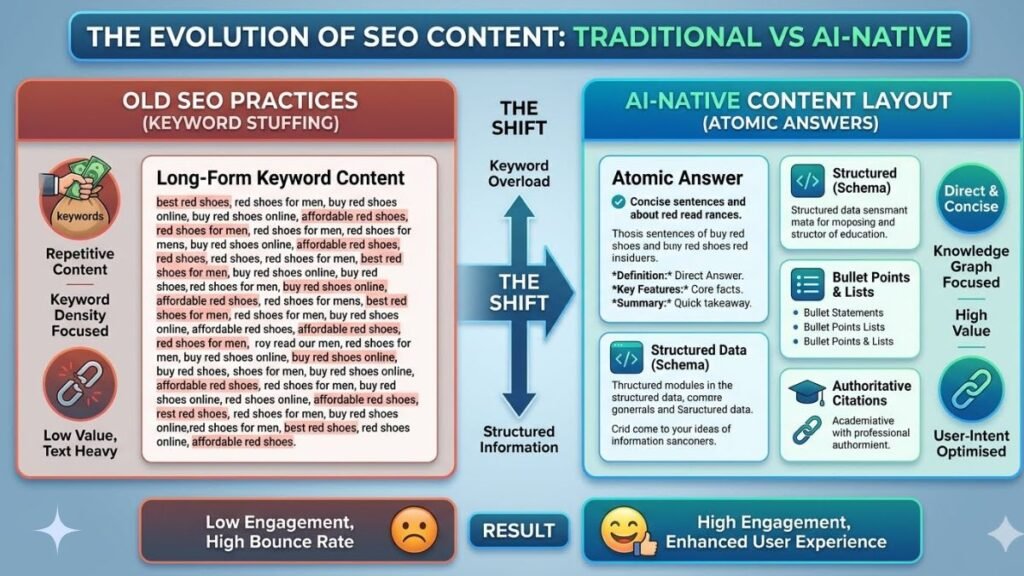
What skills should be in an AI overview of SEO strategy? While clear wording and logical formatting remain structural pillars, the modern landscape requires absolute layout predictability. The power balance has completely shifted toward technical layout precision. Search engines are not looking for general overviews that take paragraphs to reach a conclusion; they want data structures that can wrap clean, predictable frameworks around complex ideas.
This architectural focus is essential to improve brand visibility in AI-driven search engines. If your sections do not deliver independent clarity from the very first sentence, automated models will simply extract data from a competitor who does.
The Anatomy of a Modern Optimization Spec
An authoritative, enterprise-grade job specification contains explicit, uncompromising technical metrics. High-tier vacancies across elite technological epicenters demand a highly rigorous operational focus:
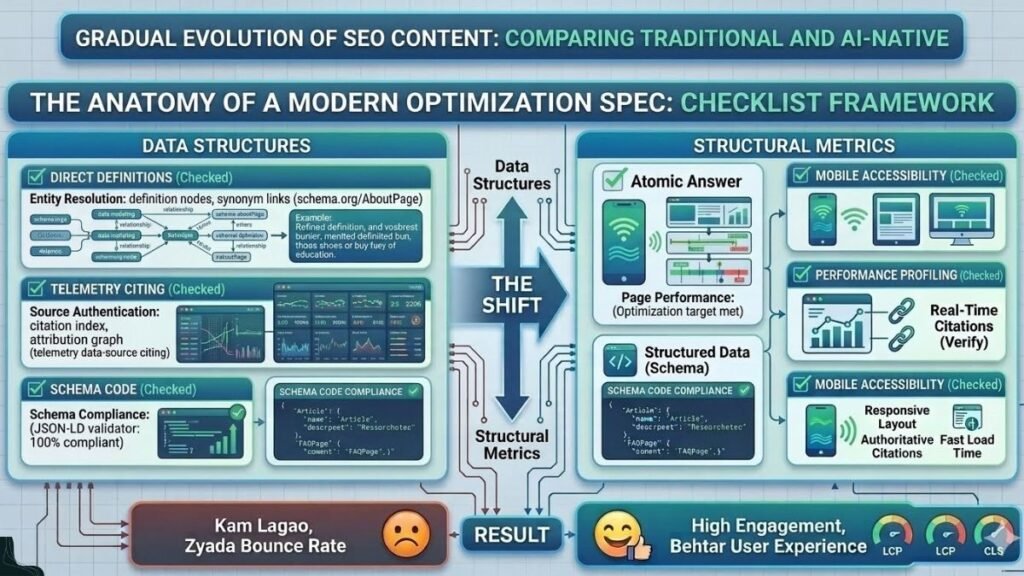
- Direct Definition Frameworks: Inserting clear 40-to-60-word definitions right beneath question-form headings to build easy-to-extract answer snippets.
- Automated Swarm Management: Engineering state-driven directives that empower independent AI networks to seamlessly hand off assignments, process multi-layered streams simultaneously, and deploy self-healing routines to prevent system crashes.
- Global Governance & Risk Mitigation: Teamrooming directly with security architects and compliance officers to anchor model outputs securely within volatile international data privacy frameworks and corporate mandates.
- Empirical Matrix Testing: Launching continuous, telemetry-backed split testing on system inputs to map statistical variance, trim response latency, and lock down factual precision using real-time execution analytics.
The demands for this structural precision have completely overridden old keyword tracking methods. This strategic shift directly mirrors how elite media operations manipulate clean backend variables to fuel automated systems, moving far beyond standard user-facing inputs. When you format your web layout like an explicit data repository, you guarantee that search bots and real-world readers extract immediate utility without frictional delay.
What is next? As search platforms transform into independent digital concierges, simple keyword density matching will completely disappear. Instead, the search ecosystem will focus on multi-layered workflow automation, deep semantic graph mapping, and real-time authority signals.
This systemic update doesn’t mean your content production engine should stop; rather, it forces you to adapt your strategy, especially as Google’s new search updates transform content production. To protect your digital footprint from becoming invisible, you must bridge the gap between traditional writing styles and advanced machine readability starting today.