Generic advice is everywhere. Learn why direct knowledge and practical experience are more valuable for search visibility.
The digital marketing landscape has just changed in a way because OpenAI has launched its real-time conversational monetization network in the United States. For a time companies only used traditional search auction metrics to guide their decisions. Now people in charge are asking one question: what does this new digital marketing landscape show us about our competitors in the market?
According to recent data from Search Engine Land, OpenAI’s native Ads Manager only shows a brand its own basic metrics like impressions and clicks, hiding what the rest of the market is doing. However, other companies that watch what is going on have figured out how the system works by looking at over 300,000 things people ask for every day.
This means that by looking at and analyzing these underlying ad mechanics, companies that move quickly can now see exactly which things people are asking for that their competitors are paying for, what kind of messages they are using, and how they get people’s attention while they are talking. The human impact is immediate and severe, turning traditional paid search managers from mechanical bidding operators into strategic data detectives who can intercept a customer right at the moment of consideration.
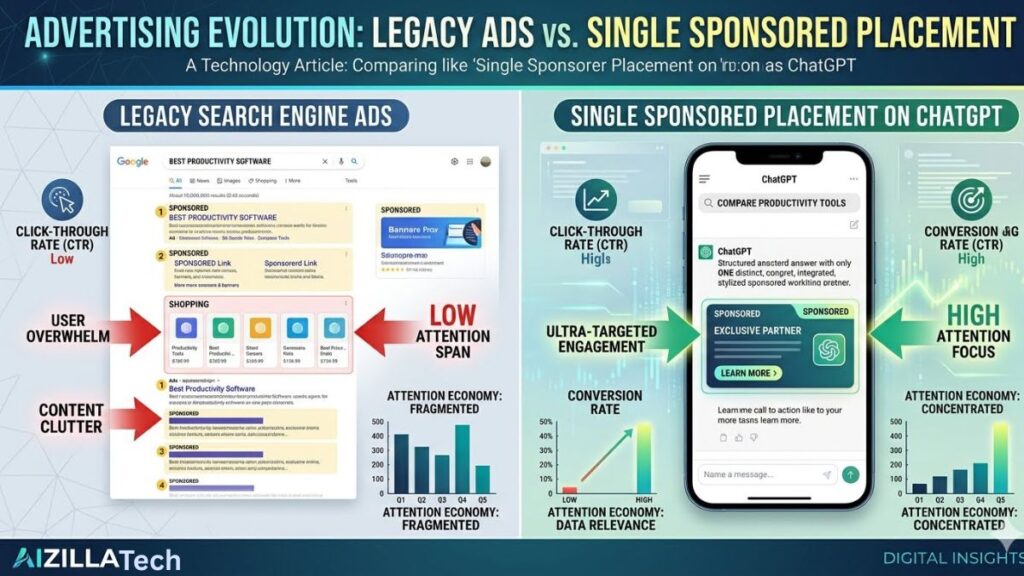
The immediate stakes. Unlike legacy advertising networks that display massive carousels or multiple text listings, the conversational interface typically delivers a solitary, ultra-targeted sponsored placement at the bottom of an answer. This winner-take-all environment means that missing out on conversational metrics hides a massive strategic blind spot. Agencies using early prompt-level intelligence tools can see the exact terms capturing market share, leaving slower businesses completely out of mobile feeds.
Decoding the Mechanics of Generative Ad Surveillance
Why we care. The financial cost of standard competitor intelligence has historically involved guesswork, but OpenAI’s shift toward conversational intent changes everything. Algorithms do not serve these ads based on static keyword matching. Instead, these advanced algorithms evaluate multi-turn conversational history and process deep semantic context to dynamically map promotional content to immediate consumer pain points.
Understanding how to harvest this intelligence requires evaluating the mechanics of AI ad placement. The structured framework below breaks down how conversational intelligence overrides legacy metrics.
| The Big Picture (AI Auction Insights) | The Fine Print (Conversational Hooks) |
| Focuses on prompt-level ad detection and multi-turn user intent tracking. | Relies on high-converting contextual relevancy and mobile click triggers. |
| Maps out exact category blocklists and unregulated industry gaps. | Tracks real-time product feed adjustments and dynamic text changes. |
| Reveals structural share of voice comparisons across niche markets. | Highlights user browsing intent patterns right before buying decisions. |
| Monitors aggregated metric reports such as views and click data. | Evaluates visual layout adjustments and conversational text styles. |
How can standard brands reverse-engineer this hidden ecosystem? The solution involves tracking specific prompt triggers and monitoring exactly where a rival brand appears. By analyzing a competitor’s product feed drops into a conversational interface, you instantly map out their operational targeting strategy. Analyzing these underlying ad mechanics reveals exactly which user pain points your competitors are attempting to monetize.
Exploiting Prompt-Level Intelligence for Direct Market Capture
What is next? The immediate play is transitioning away from rigid search queries toward dynamic prompt analysis. Marketers must learn to target the exact moments of user consideration where purchase intent is generated.
When growth strategists analyze data within highly competitive sectors, they discover that single-word targeting is useless. The real fight is won by finding what are called “greenfield prompts.” These represent highly specific long-tail queries where user intent is clear, yet no competitor has bid on the placement. To capitalize on these untapped opportunities, enterprise brands utilize advanced tracking tools to monitor rival movements in real time.
Market leaders evaluate competitor ad spend and analyze the strategic ad copy deployed by their rivals. This data grants them a powerful first-mover advantage, establishing clear dominance in conversational spaces where high-intent users look for answers.
Can smaller agencies safely look into this performance data without massive budgets? Currently, OpenAI provides clear transparency guidelines, keeping individual chat logs private while providing clean, aggregated campaign reporting. This balance allows anyone to evaluate wider market visibility without breaching privacy boundaries. Consequently, the effectiveness of evaluating conversational ad intelligence depends entirely on your agility. If you ignore these conversational metrics, your top-tier rivals will quietly capture your core audience right inside their chat interfaces.
Turning Behavioral Ad Data into Long-Term Organic Authority
The final verdict. Paid visibility in language models is now a key way for businesses to make money. It helps shape what people buy. To defend your digital presence, your cross-platform strategy must counter whatever your competitors are scaling inside AI systems.
This paradigm shift forces us to change how we write our landing page copies. Text designed for standard search engines feels completely dry when a user transitions from a fluid, natural conversation with an AI. When you change your website pages to give answers to the questions people are asking, like the ones shown by the information from ChatGPT Ads Data: What Your Competitors Already Know About Your Customers, it makes things easy for people to go from clicking on an ad to actually buying something.
This makes your website work well, and it is what people expect. It also makes people stay on your website longer when they are using their phones. This helps your business be seen as the answer when people are searching online no matter if they come from a paid ad or from a regular search.
Ultimately, reviewing conversational ad intelligence isn’t just about adjusting ad spend. The real goal is understanding the real-time intent shifts of your modern target demographic. OpenAI does not run ads to clutter the user experience; they deploy them to bridge the gap between complex human tasks and commercial solutions. By anchoring your competitive intelligence in prompt tracking, fixing conversion structural errors, and targeting untapped conversational spaces, you will completely dominate your digital market.