The standalone “prompt engineer” is dead—long live the system-building AI architect dominating corporate hiring boards.
The modern corporate landscape is undergoing a massive architectural shift as enterprise organizations across the United States abandon generic chatbot usage in favor of hyper-complex, automated agentic workflows. Data collected across major hiring platforms like Indeed and the PE Collective reveals a startling trend: while standalone postings for “Prompt Engineers” fell by 30% over the last two years, the mandatory requirement for advanced prompt orchestration within engineering roles spiked by over 300%. -We aren’t witnessing a market slowdown—we’re watching a complete evolution.
The era of simply typing clever text prompts into a chatbot is over. What used to be a basic task has erupted into an elite infrastructure discipline carrying a $245,000 price tag. True masters of this craft aren’t merely whispering tricks to a chatbot; they are building the underlying digital engine rooms that keep enterprise software running.
This systemic shift has completely rewritten old corporate hiring playbook standards. Software engineers who downplay these technological updates as a short-lived trend are dropping out of the race, making way for a versatile generation of multi-skilled tech leads who are designing entirely new organizational workflows from scratch.
The stakes. The economic reality of 2026 forces companies to maximize utility and enforce strict safety guardrails on expensive AI infrastructure. Bad prompts do a lot more than just output boring text. Poorly built prompts do serious damage. They can effortlessly break your software setup, expose confidential company files, and silently run up massive server and cloud bills. Because the financial and security risks are so incredibly high, hiring managers are discarding old templates and entirely rebuilding their tech job descriptions.
They need a bulletproof way to weed out casual chatbot users and find actual enterprise-grade experts.
Recruiters look beyond basic chatbot interactions, structuring roles around deterministic framework design, advanced semantic routing, and empirical benchmarking to secure true enterprise-grade experts.
The Mutation of the Core Competencies
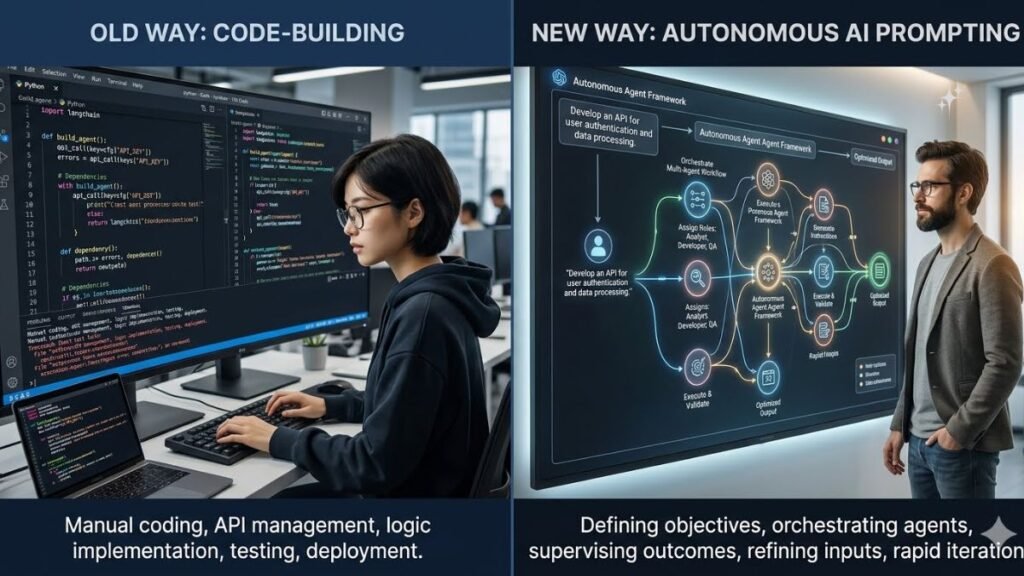
What skills should be in an AI prompt engineer job description? While linguistic precision and absolute clarity remain foundational pillars, the modern job description requires deep programmatic fluency. You cannot survive in an elite tech ecosystem simply by using basic zero-shot or few-shot tactics. Tech companies now filter candidates by their ability to execute advanced context-window management, chain-of-thought sequencing, and programmatic routing architectures. This architectural focus is essential to improve brand visibility in AI-driven search engines.
The technical power balance has completely shifted toward AI systems engineers. Hiring managers have zero interest in hobbyists who simply know how to sweet-talk a chatbot into cooperation. Instead, the market is starving for disciplined engineers capable of building stable, predictable guardrails around artificial intelligence models that are naturally chaotic and erratic.
The Anatomy of a Modern Job Spec
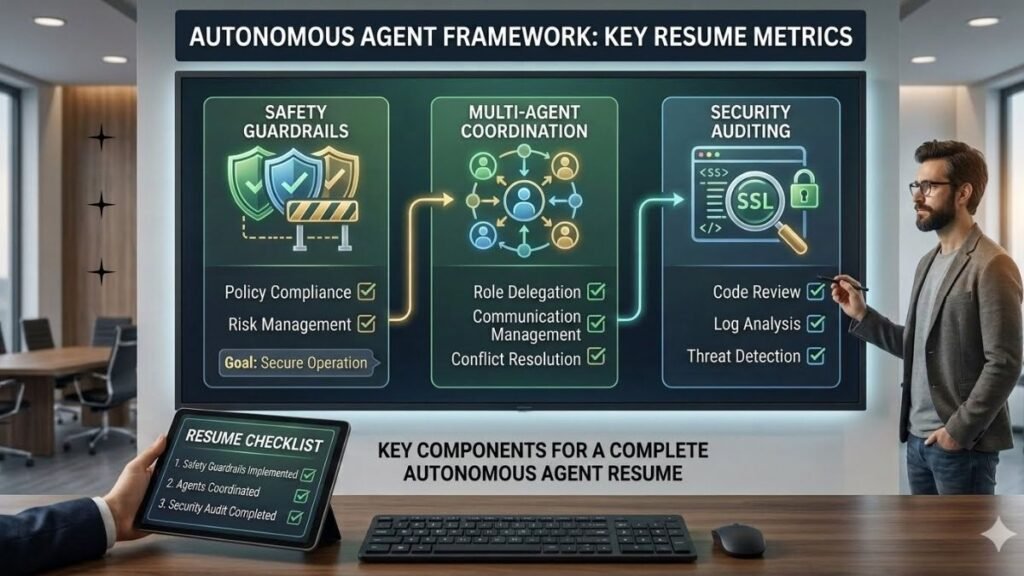
An authoritative, enterprise-grade job specification contains explicit, uncompromising technical metrics. High-tier vacancies across elite technological epicenters—such as Silicon Valley, Manhattan, and Austin—demand a highly rigorous operational focus:
- Production-Grade Source Embedding: Programmatically hardcoding algorithmic prompt parameters directly into enterprise Python repositories and cloud-native backend microservices.
- Automated Swarm Management: Engineering state-driven directives that empower independent AI networks to seamlessly hand off assignments, process multi-layered streams simultaneously, and deploy self-healing routines to prevent system crashes.
- Global Governance & Risk Mitigation: Teamrooming directly with security architects and compliance officers to anchor model outputs securely within volatile international data privacy frameworks and corporate mandates.
- Empirical Matrix Testing: Launching continuous, telemetry-backed split testing on system inputs to map statistical variance, trim response latency, and lock down factual precision using real-time execution analytics. This professional transformation mirrors how elite modern teams leverage backend setups to run targeted ads on ChatGPT rather than relying on basic user layouts.
The baseline education requirements have shifted as well. While early iterations of this career track welcomed self-taught enthusiasts from creative fields, today’s competitive landscape highly prizes individuals with cross-disciplinary degrees. A background combining computational linguistics, data science, or computer science with a sharp understanding of cognitive psychology forms the golden ticket for top-tier recruiters.
What is next? The next massive wave of disruption is the total shift to multimodal, agentic networks. Instead of writing strings of text to get an output, tomorrow’s engineers will guide autonomous digital workforces using complex behavioral guidelines and governance frameworks.
As large language models get naturally smarter, the need for basic text tweaking will completely disappear. Instead, companies will desperately need experts who can handle big-picture oversight, multi-step workflow automation, and bulletproof security setups. This change isn’t killing off the prompt engineering career path—it’s actually upgrading it. It opens a direct route straight to elite executive positions, like chief AI architect or director of generative AI integration. To secure an indispensable position within the future workforce, tech professionals must aggressively bridge the gap between traditional software development and advanced semantic machine communication immediately.