Traditional click-optimization frameworks are collapsing as generative engines prioritize automated data synthesis and informational gain over raw keyword density.
Google’s classic ten blue links are no longer the primary gatekeepers of web traffic. The massive introduction of Google AI Overviews and alternative large language model (LLM) engines has fundamentally upended how users find information. The zero-click transition. Rather than querying and cross-referencing multiple domains, users now consume automated, synthesized answer engines on a single viewport, entirely bypassing traditional destination website routing.
The human impact. If you don’t adapt your digital presence immediately, your organic audience channels will face structural extinction. For content creators, businesses, and digital marketers, this is a massive industry shift. Years of building traditional link profiles and tracking standard keywords won’t protect you if an AI engine simply scrapes your site’s data to answer a query without giving you a single click. You’ll need to learn how to transition smoothly from old-school link hunting to true optimization for machine visibility.
The Big Picture vs. The Fine Print: Parsing the Architectural Divide
Why it matters. The strategic shift. This transition goes far beyond superficial meta-tag adjustments or cosmetic taxonomy updates. Legacy architecture was engineered to manipulate user viewports and secure standard click-through referral pipelines.
The architectural pivot. Generative Engine Optimization (GEO) demands configuring data architectures specifically for vector-based model retrieval, ensuring large language models can flawlessly ingest, parse, and reference your ecosystem as an irreplaceable primary source. How do autonomous systems evaluate destination validation metrics? Algorithmic updates confirmed across modern information-retrieval trials demonstrate that modern retrievers bypass superficial keyword density altogether. Instead, these engines isolate passage intent, contextual fact-density, and deep entity relationships before mapping content to their real-time summary layers.
The validation mechanism. How do modern search engines calculate citation weights for generative summaries? Peer-reviewed papers on information retrieval reveal that large language models discard legacy keyword matching protocols entirely. Instead of searching for exact phrase frequencies, automated scoring systems run advanced vector similarity checks to cross-reference passage intent, entity linkages, and factual accuracy against highly verified public data graphs.
Instead, they value fact density, clean structured schema markup, and content that directly delivers high “information gain.”
Dismantling Keyword Density for Semantic Retrieval
The key risk. Continuing to scale thin informational blogs that simply rearrange existing Google search results is a massive waste of marketing capital. Large language models are highly skilled at spotting boilerplate text and will quickly drop unoriginal summaries from their citation maps.
How do I optimize content to satisfy generative engine verification layers? You must change how you outline your text. Instead of writing lengthy, descriptive fluff to hit an arbitrary word count, structure your informational content around the “definition-data-context” framework.
- State the explicit answer clearly in your introductory sentences using active voice.
- Embed verifiable facts or named industry statistics directly into the text rather than hiding them behind plain anchor text links.
- Provide proprietary context by including original business checklists, custom workflows, or first-party data that can’t be scraped from standard top results.

Establishing Ironclad Entity Recognition and E-E-A-T
The structural valuation shift. Legacy optimization mechanics viewed unlinked text references as a failed transactional connection. Modern knowledge-graph frameworks, however, interpret these clean brand footprint markings as explicit semantic proof of topical authority.
In the world of AI search engines, unlinked brand mentions are exceptionally powerful. Algorithms use massive entity graphs to associate your brand name directly with your specific niche or area of expertise.
Pro tip. To accelerate how quickly AI engines recognize and cite your site, don’t rely solely on basic blog updates. Take active control of your digital footprint across the wider web:
The Tactical Survival Blueprint
The operational pivot. Moving forward, your primary digital metric shouldn’t be tracking where your site ranks on page one of a desktop search. Instead, you need to monitor your overall “share of influence.” This metric tracks how often an AI engine presents your brand’s unique data or perspective inside its generated responses.
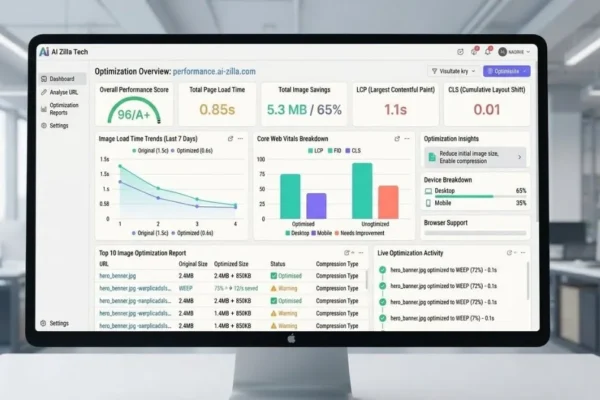
The structural ingestion barrier. Eliminating runtime latency within your technical stack is no longer optional. Elevated server response metrics, unoptimized mobile viewports, or bloated JavaScript payloads will systematically block high-velocity machine extraction tools from indexing your page assets.
Focus your budget on publishing fresh, original data-led studies, and structure your pages so machines can seamlessly parse your insights. This strategy will protect your search traffic and position your brand as a foundational authority in the generative era.