AI in Daily Life is transforming how people work, shop, learn, travel, and manage their routines. Discover real-world examples, benefits, smart home uses, AI tools, automation, and upcoming trends shaping modern living. This guide explains how AI impacts productivity, health, education, security, and daily decision-making with easy-to-understand insights.
What Is AI in Daily Life?
AI in daily life refers to the use of intelligent systems, software, and devices that understand, analyze, and assist people in routine tasks. These tools learn from our behaviors, preferences, and data, making everyday decisions smarter and more personalized.
1. AI in Smartphones – Your Smartest Personal Assistant
Smartphones have become the biggest source of AI integration. Almost every mobile user interacts with AI dozens of times daily without realizing it.
Examples of AI in Mobile Phones
- Face ID unlock
- AI-powered camera enhancements
- Voice assistants like Google Assistant & Siri
- Smart spam filtering in messages & emails
- Personalized app suggestions
Your phone learns how you use apps, what photos you take, which contacts you talk to most, and even predicts your next action. This personalized experience is powered entirely by artificial intelligence.
2. AI in Social Media – The Hidden Brain Behind Engagement
Whenever you scroll, watch videos, or like posts, AI algorithms analyze your behavior and redesign your feed.
How AI Shapes Social Media Feeds
- Recommends personalized videos (Reels, Shorts)
- Detects harmful or inappropriate content
- Targets ads based on interests
- Suggests new friends or accounts to follow
Platforms like YouTube, TikTok, Facebook, and Instagram are fully dependent on AI to deliver content that keeps users engaged.
3. AI at Home – Smart Living Made Easy

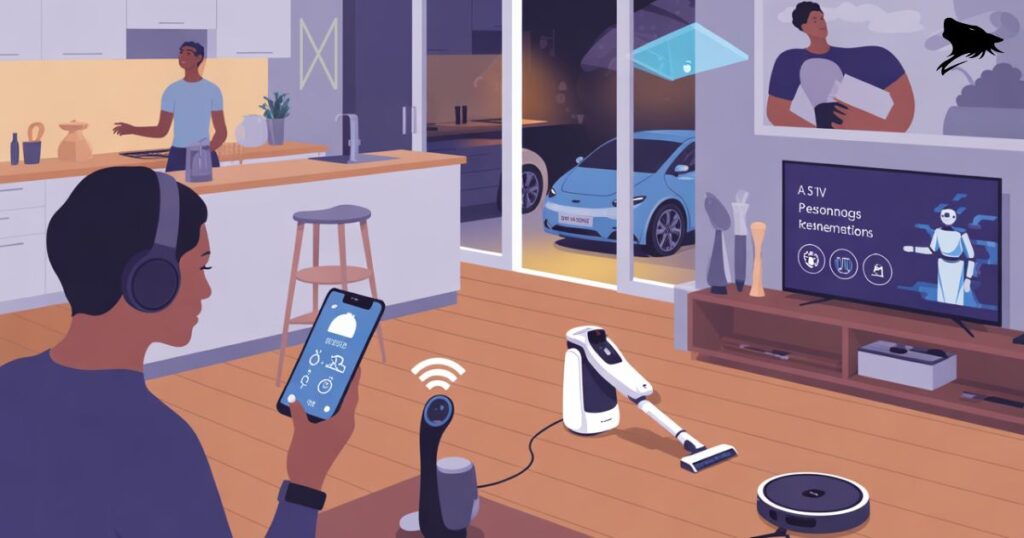
Smart homes are becoming a part of modern lifestyle. AI-powered devices help control lights, security, and appliances using just a voice command.
Examples of AI in Home Automation
- Smart speakers (Alexa, Google Home)
- Smart thermostats
- Home cleaning robots
- AI-powered security cameras
- Voice-controlled lighting systems
AI makes your home safer, cleaner, and more comfortable by learning your preferences and adjusting automatically.
4. AI in Shopping – Personalized Buying Experience
Whether you’re shopping on Amazon or browsing a local e-commerce site, AI powers every recommendation.
How AI Improves Online Shopping
- Shows products based on your interest
- Predicts what you might buy next
- Helps you find the best deals
- Provides AI-powered chatbots for instant support
For example, Amazon’s recommendation engine drives 35% of its total sales—all thanks to AI.
5. AI in Healthcare –More Accurate Diagnosis and Faster Care
AI is transforming healthcare by making diagnosis faster, more accurate, and affordable.
AI Uses in Healthcare
- Early detection of diseases using medical imaging
- AI chatbots for symptoms checking
- Remote patient monitoring
- Personalized treatment plans
Many hospitals now use AI-powered tools to detect cancer, heart issues, and infections long before visible symptoms appear.
6. Personalized Learning for All- The New Era of AI in Education
Education systems worldwide are integrating AI to create personalized learning environments.
Benefits of AI in Education
- AI tutors for students
- Personalized learning paths
- Automated grading and feedback
- Content recommendation
- Language translation for global learning
Even platforms like YouTube and Coursera use AI to suggest the best courses based on your interests.
7. AI in Work and Productivity-Achieving More in Less Time
AI tools help professionals automate boring tasks so they can focus on creativity and decision-making.
Examples
- AI writing assistants
- Automated scheduling tools
- Email summarizers
- Virtual meeting note generators
- Smart project management tools
Employees worldwide are increasing productivity with these AI-powered solutions.
From booking flights to navigating daily routes, AI plays a huge role in modern travel.
Examples
- Google Maps traffic predictions
- AI-based hotel suggestions
- Flight fare prediction tools
- Chatbots for airline bookings
- Smart car navigation systems
AI even predicts traffic jams before they happen!
9. AI in Banking-Smarter, Safer, and More Efficient Money Management
Banks use AI to improve security and financial planning.
Uses of AI in Banking
- Fraud detection
- Instant credit scoring
- AI customer support agents
- Investment analysis
- Personalized spending insights
AI reduces human errors and increases financial security.
10. Future of AI in Daily Life – What’s Coming Next?
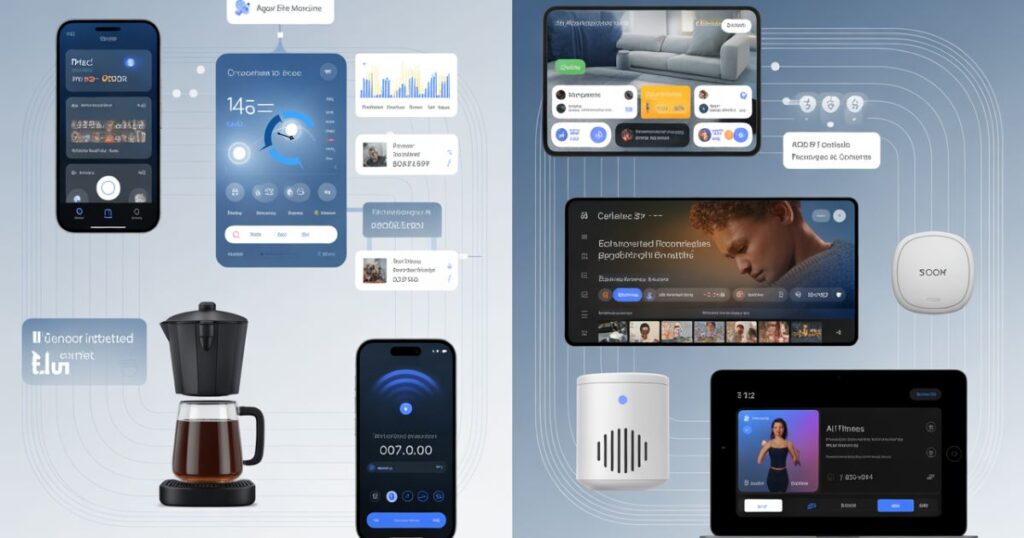
The next wave of AI advancements will make daily life even more efficient.
Upcoming Trends
- Fully autonomous cars
- Smart personal robots
- Hyper-personalized digital assistants
- AI-driven mental health monitoring
- Virtual AI companions
AI will not only assist humans—it will soon act as a partner in decision-making.
External Link (Trusted Authority):
For more insights, you can check MIT’s AI Research Overview:
https://www.csail.mit.edu/research
Conclusion
AI in daily life is no longer optional—it is becoming essential. From home automation to healthcare, travel, shopping, and education, artificial intelligence is shaping every aspect of our everyday routine. As AI evolves, it will continue to make our lives easier, smarter, and more personalized.
FAQs AI in Daily Life
What is AI in daily life and how does it work?
AI in daily life refers to smart technologies that learn from your behavior and make everyday tasks easier. It works by analyzing data, recognizing patterns, and giving personalized suggestions—like recommending videos, predicting traffic, or automating home devices.
How is AI making everyday activities faster and more efficient?
AI speeds up daily activities by automating routine tasks such as email sorting, customer support, shopping recommendations, navigation, and scheduling. This allows people to save time, reduce errors, and improve productivity throughout the day.
Is AI safe to use in everyday life?
Yes, AI is generally safe when used through trusted apps and devices. Most AI systems follow strict privacy and security standards. Users should still review app permissions, enable two-factor authentication, and avoid sharing sensitive data with unknown tools.
How will AI affect daily life in the future?
AI will make future daily life even more personalized and automated. We can expect smarter homes, AI-powered personal assistants, self-driving cars, better healthcare predictions, and more accurate decision-making tools that support work and lifestyle tasks.