Discover the AI tools that are leveling the playing field for small businesses on a budget.
Running a small business in the year of 2026 is more challenging than ever. Tight budgets, limited staff, and numerous responsibilities—from customer support to marketing and inventory management—can overwhelm even the most organized entrepreneurs.
Thankfully, AI tools for small businesses have matured into practical solutions that help automate repetitive tasks, generate insights, and scale operations efficiently. These tools can help you manage emails, create marketing content, forecast sales, and even handle scheduling, giving you the freedom to focus on strategic growth.
In this guide, we’ll explore the top 15 AI tools for small businesses, why they’re valuable, how to choose the right ones, and real-life use cases that demonstrate their impact.
Why Small Businesses Need AI Tools
Small business owners often juggle multiple tasks at once, from responding to emails to managing sales pipelines and ensuring accurate bookkeeping. This can lead to inefficiencies, missed opportunities, and stress for owners and employees alike.
AI tools for small businesses solve these problems by:
- Automating repetitive tasks to free up time
- Streamlining communication with AI chatbots and assistants
- Providing data-driven insights for smarter decision-making
- Improving customer experience and personalization
By integrating AI tools strategically, small businesses can compete with larger organizations and achieve more with fewer resources.
Key Benefits of AI Tools for Small Businesses
- Efficiency and Automation
- AI assistants can handle repetitive tasks like data entry, invoice processing, and email follow-ups.
- Example: An AI chatbot can answer common customer questions instantly, allowing human agents to focus on complex issues.
- Cost Savings
- AI tools reduce the need for extra staff in marketing, content creation, and customer support.
- Example: Grammarly can enhance professional communication while reducing outsourcing costs for copywriting.
- Enhanced Customer Experience
- AI chatbots and assistants personalize interactions, respond faster, and improve engagement.
- Example: AI can recommend products based on past customer behavior, increasing conversion rates.
- Data-Driven Decision Making
- AI tools analyze sales, customer, and operational data to predict trends and identify opportunities.
- Example: Clari helps forecast revenue by analyzing pipeline data and flagging potential risks.
Best AI Communication Tools
1. Dialpad AI – Smart Business Communication
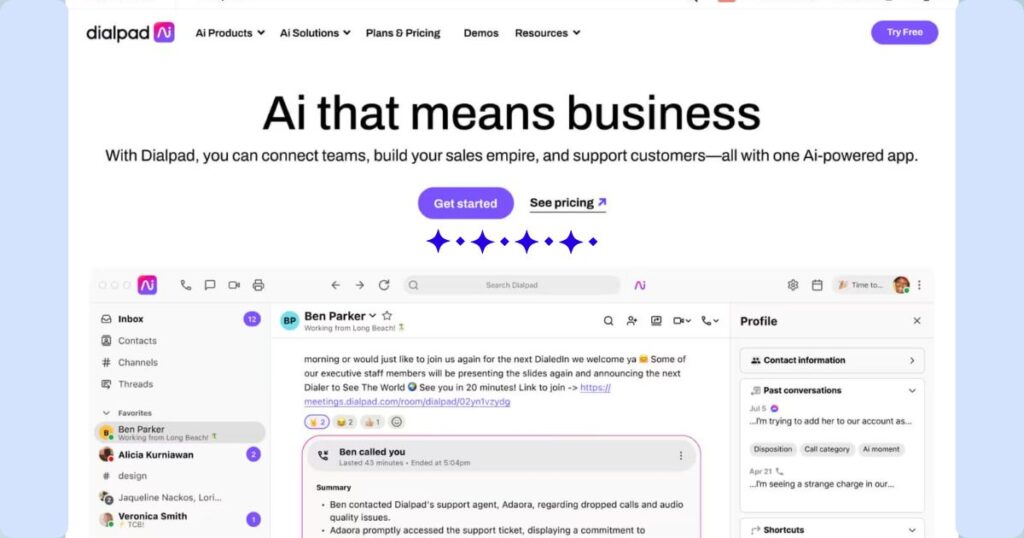
Dialpad AI integrates calling, messaging, and video conferencing in one cloud-based platform. Features include:
- Real-time transcription of calls for effortless note-taking
- AI Call Summaries for tracking key decisions and action items
- Live AI Coach that offers prompts to improve call effectiveness
Benefits: Improves productivity, reduces communication errors, and enhances team collaboration.
Pricing: Starts at $15/user/month; offers scalable plans based on features and team size.
2. Tidio / Lyro – AI Chatbots for Customer Support
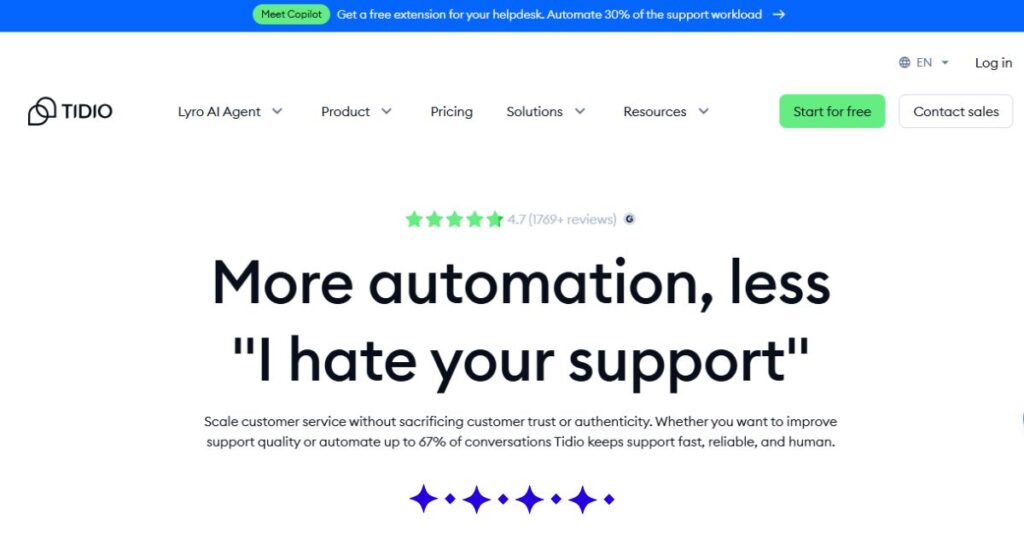
Tidio’s Lyro AI chatbot automates initial customer support and integrates with live chat platforms. Key features:
- Multilingual responses for global customers
- Customizable scripts to match your brand voice
- Escalation to human agents for complex queries
Benefits: Reduces response time, ensures consistent messaging, and frees support staff for higher-value tasks.
Pricing: Start with a free plan, or upgrade to premium options beginning at just $18 per month.
AI Marketing & Content Creation Tools
3. Jasper – AI Writing Assistant
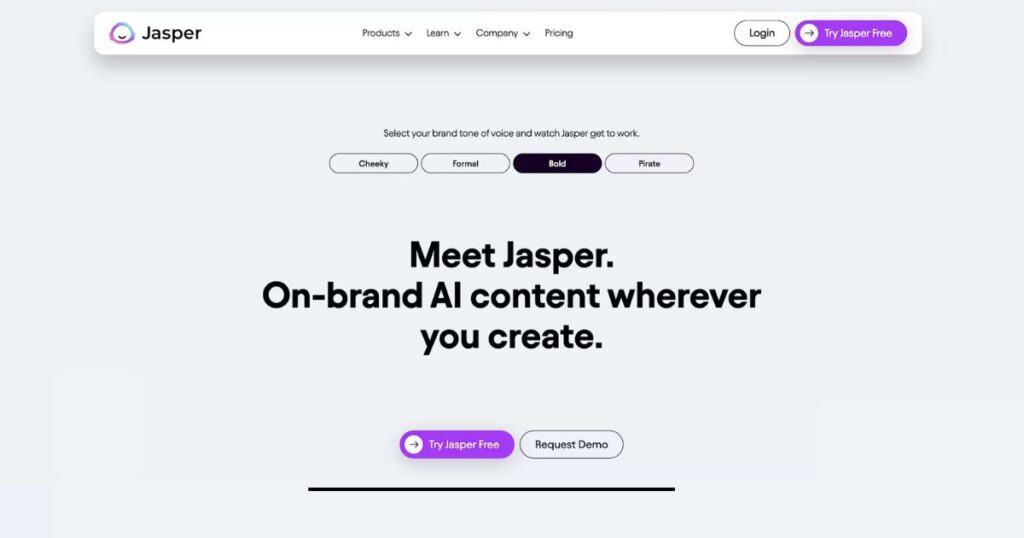
Jasper helps small businesses generate blog posts, social media content, email copy, and product descriptions. Features:
- Brand voice adaptation: Learn and mimic your company tone
- Content templates: Fast generation for ads, articles, and marketing campaigns
- Collaboration tools: Team editing and content suggestions
Benefits: Saves time, overcomes writer’s block, and ensures consistent messaging.
Pricing: Starts at $29/month; offers team plans for agencies
4. Seventh Sense – AI Email Marketing Automation
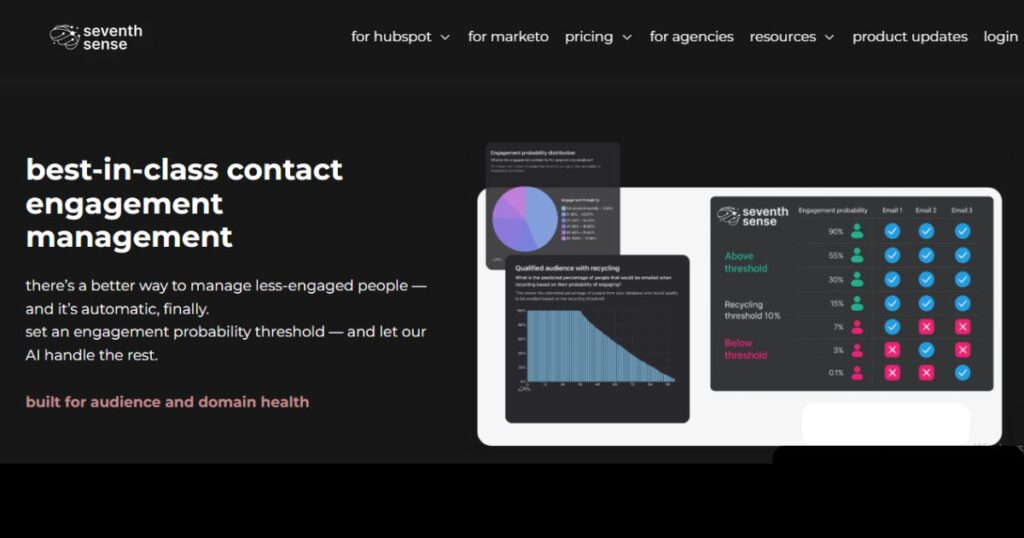
Seventh Sense optimizes email delivery for maximum engagement. Features include:
- AI-driven send-time optimization
- Personalized email frequency for each recipient
- Integration with platforms like HubSpot and Marketo
Benefits: Improves open and click-through rates, increases lead conversions, and boosts ROI on campaigns.
Pricing: Custom pricing based on contacts; starts around $99/month
5. Flick – Social Media Management Tool
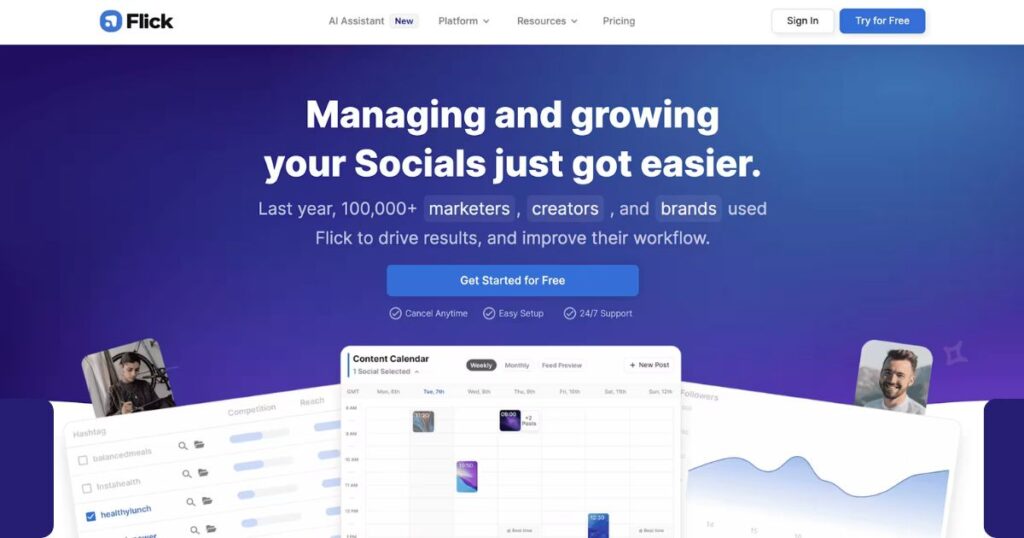
Flick leverages AI for social media planning and content creation. Key features:
- Hashtag generation and optimization
- Content repurposing from old posts
- Analytics and engagement tracking
Benefits: Reduces content planning time, improves social media reach, and maximizes engagement.
Pricing: Plans start at $39/month
6. DALL·E – AI Image Generation
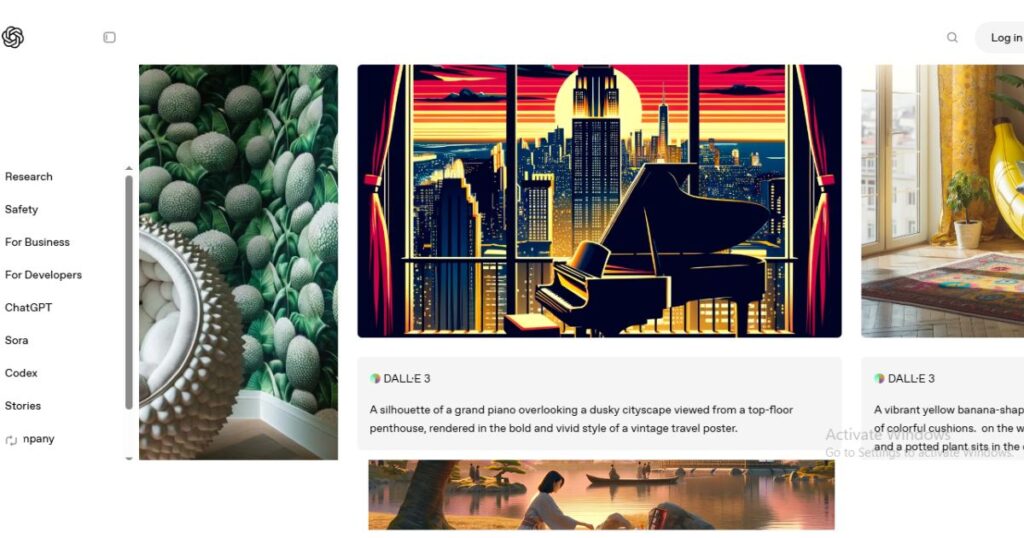
DALL·E creates high-quality visuals from text prompts. Features:
- Generate marketing images, product visuals, and graphics
- Style and concept combination for unique outputs
- Background removal and variations
Benefits: Cost-effective visual creation without hiring a designer
Pricing: Pay-per-use credits
7. Fliki – AI Text-to-Video Tool
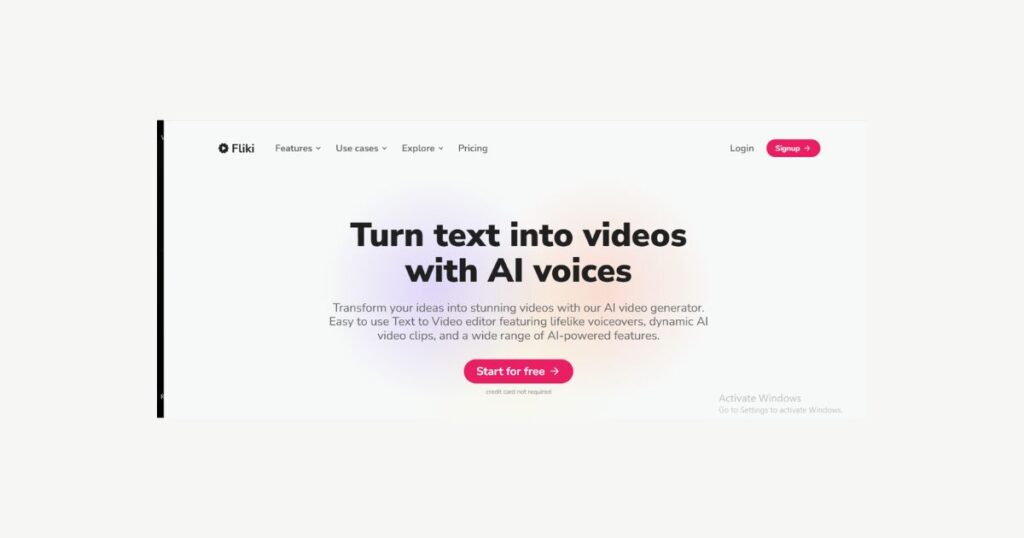
Transform scripts into professional voice-over videos. Features:
- Over 2000 voice options in multiple languages
- Pre-made templates for marketing campaigns
- Auto-subtitle generation
Benefits: Save time on video content creation and expand marketing reach
Pricing: Free trial; paid plans start at $29/month
AI Sales & Revenue Tools
8. 6sense – AI Lead Generation & Demand Intelligence
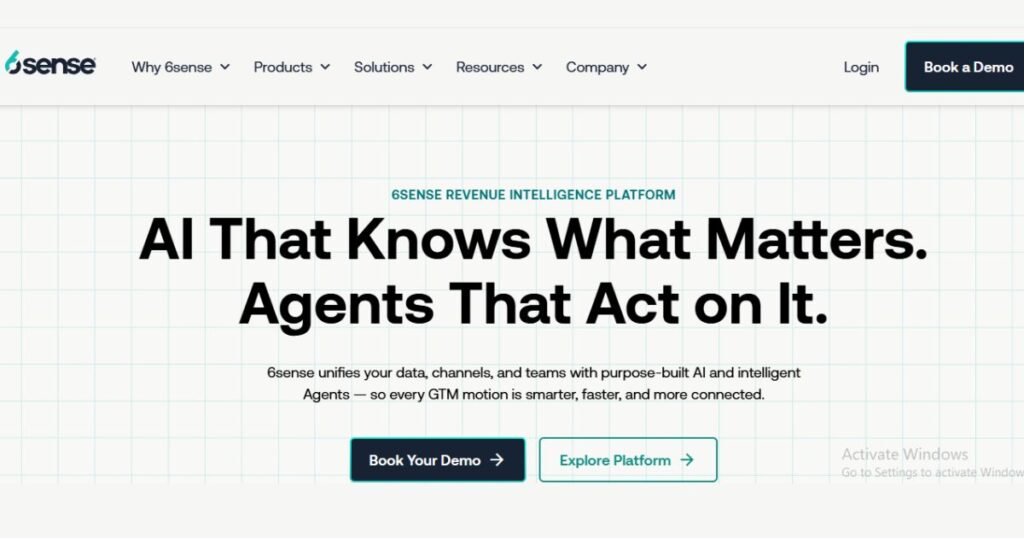
6sense identifies potential leads before competitors. Features:
- Buyer intent signals for early-stage prospects
- Predictive lead scoring and pipeline prioritization
- Integration with CRM systems
Benefits: Streamlines sales outreach and increases conversion rates
Pricing: Enterprise pricing; custom quotes
9. Clari – AI Revenue Forecasting
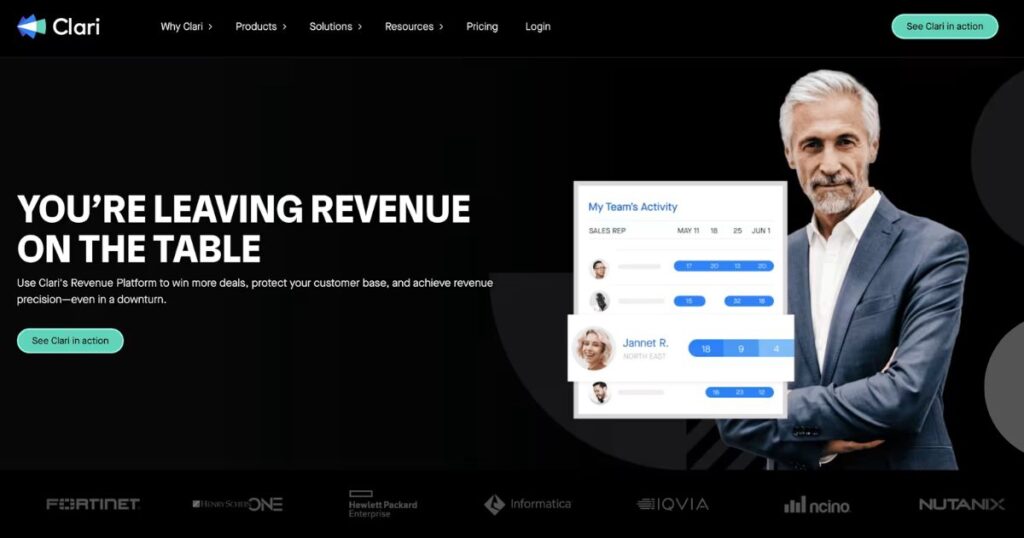
Clari improves sales forecasting and pipeline visibility. Features:
- Automatic capture of sales signals
- AI-driven revenue predictions
- Identifies opportunities and potential leaks
Benefits: Enhances revenue predictability and reduces missed opportunities
10. ChatGPT – AI Assistant for Business Ideation
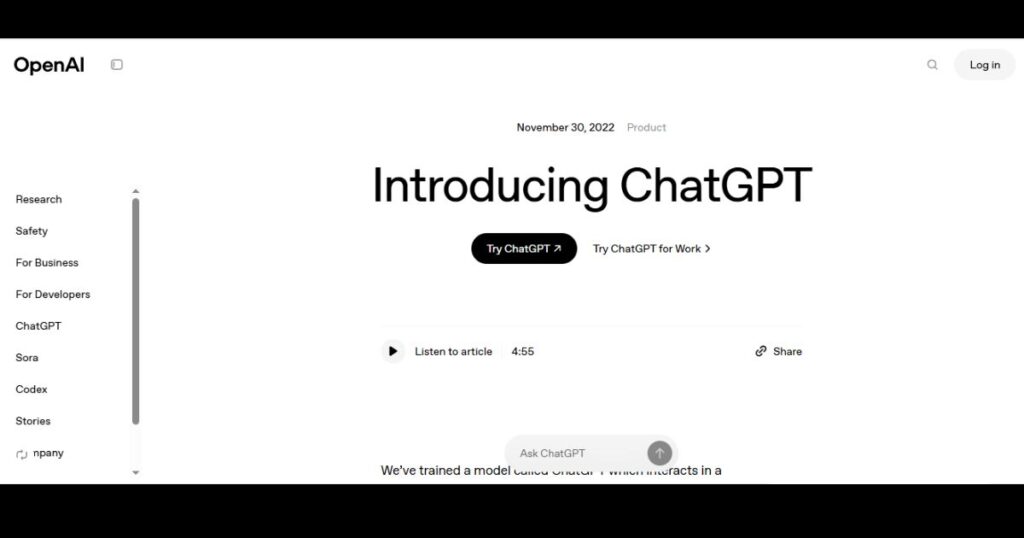
ChatGPT helps small businesses with:
- Generating ideas for campaigns, content, and product development
- Summarizing reports or meeting notes
- Simulating brainstorming sessions with alternative perspectives
Benefits: Accelerates idea generation and supports creative decision-making
Pricing: Free basic access; ChatGPT Plus $20/month
11. Reply.io – AI Sales Engagement Automation
Reply.io automates outreach while maintaining personalization. Features:
- Email and social media sequence automation
- AI-powered response suggestions
- Prospect scoring for targeting
Benefits: Saves time on repetitive tasks and increases sales efficiency
Pricing: Plans start at $70/month
AI Productivity Tools
12. Grammarly – AI Writing & Editing
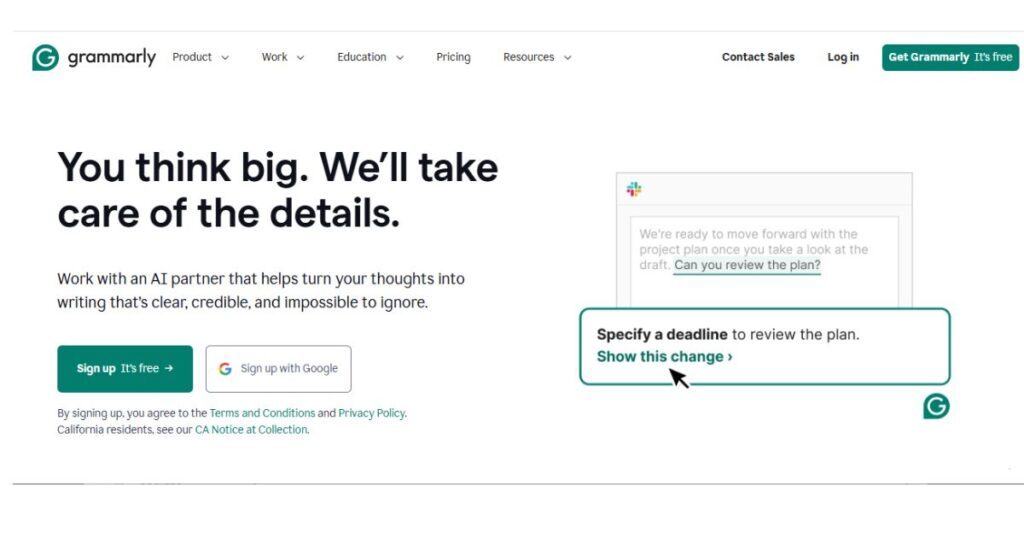
Grammarly ensures professional and clear communication. Features:
- Real-time grammar and tone suggestions
- Integrates with email, Slack, and web platforms
- Generative AI for content creation
Pricing: Free basic plan; Premium $30/month
13. Speechify – AI Text-to-Speech
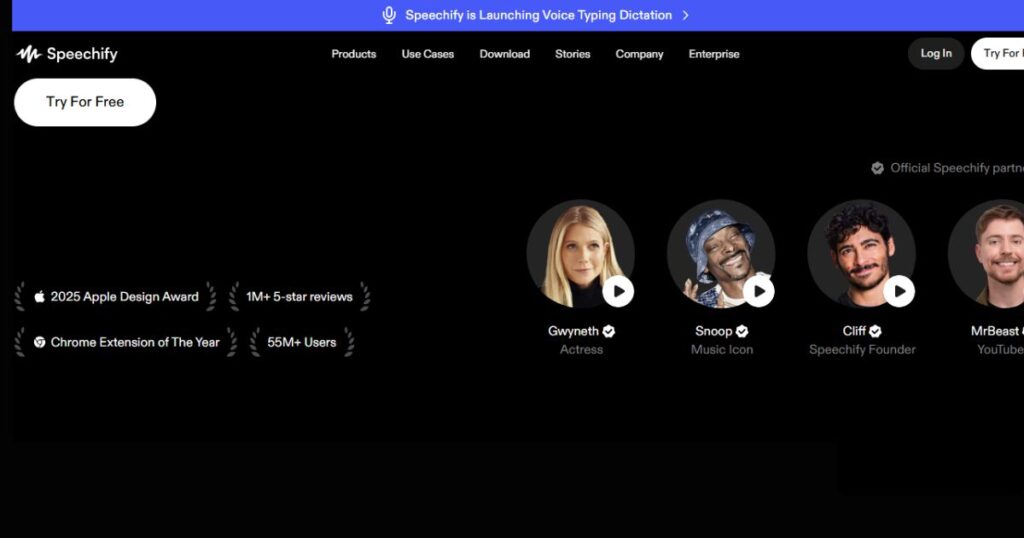
Convert text into audio for multitasking or accessibility. Features:
- High-quality voices in multiple languages
- Works on documents, emails, and web content
- Mobile-friendly
Pricing: Free basic plan; Premium $12/month
14. Asana AI – Task Automation

Enhances project management with AI. Features:
- Automatic reminders and summaries
- Smart chart generation for progress tracking
- Goal recommendations for new projects
Benefits: Reduces admin work and increases productivity
15. Clockwise AI – Scheduling Assistant
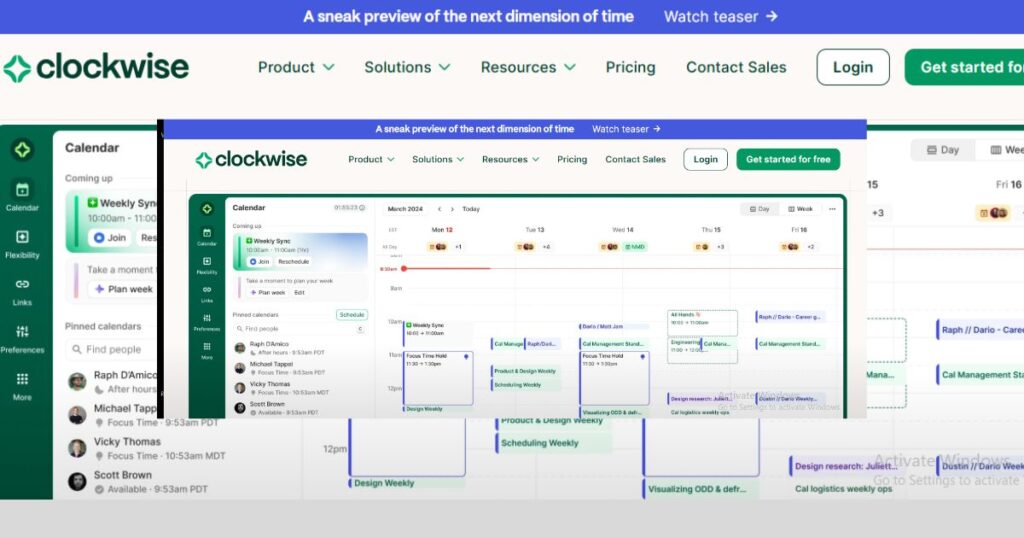
Optimizes calendar management. Features:
- Smart meeting scheduling
- Focus time blocking
- Analytics on time usage
Benefits: Reduces scheduling conflicts and improves team productivity
How to Choose the Right AI Tool
- Pricing: Compare free vs paid tools and ROI
- Ease of Use: Must integrate seamlessly with workflows
- Scalability: Should grow with your business needs
- Integrations: Check compatibility with CRM, email, marketing, and accounting tools
- Support: Evaluate responsiveness and reliability
Keywords: AI tool selection, AI small business software
Real-Life AI Use Cases
- UPS: AI for package theft prevention and delivery optimization
- VideaHealth: AI for improved X-ray analysis
- John Deere: AI-powered autonomous tractors for planting and harvesting
- Etsy: AI for search recommendations and ad targeting
Keywords: AI business applications, AI case studies
Free vs Paid AI Tools
- Free tools: Great for startups experimenting with AI
- Paid tools: Offer advanced features like analytics, automation, and team collaboration
- Always compare subscription cost vs potential ROI
Final Thoughts
AI tools for small businesses are essential for growth, efficiency, and competitiveness. Using AI, small businesses can automate routine tasks, create high-quality marketing content, forecast sales, and optimize operations—all at an affordable cost.
Start leveraging AI tools today to save time, reduce errors, and focus on scaling your business efficiently.